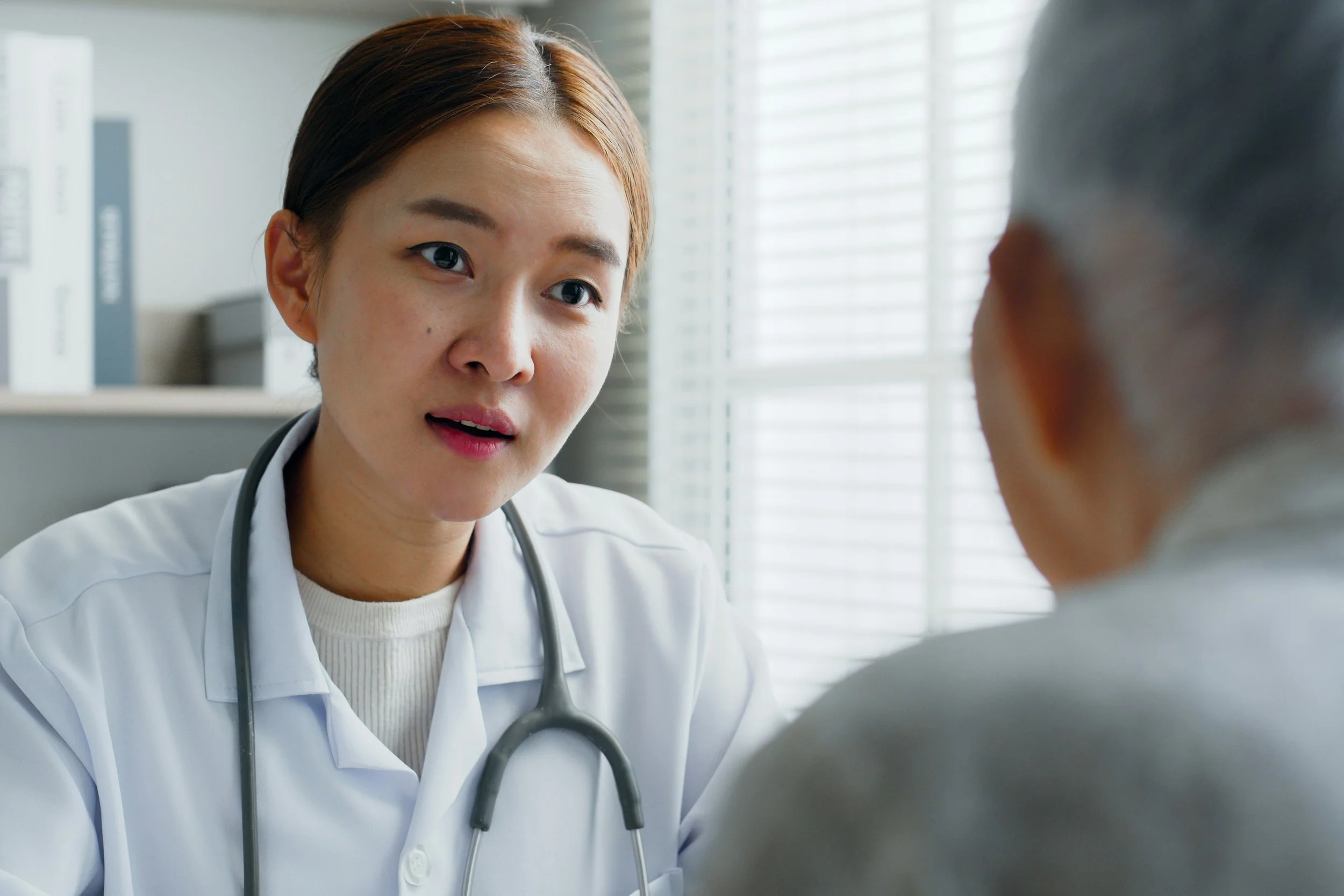
Everyone deserves to be part of any decision about their own health
The SDM Navigator supports shared decision-making in healthcare. When healthcare decisions are made together through meaningful conversation, care becomes more personalised, more equitable and more aligned with what matters most to the person.
What is shared decision-making?
A partnership in your care
Shared decision-making (SDM) is a process where patients and healthcare professionals work together to make healthcare decisions. It combines and understanding of what matters most to the person receiving care and the best available medical evidence.
Whether you're considering cancer treatment, surgery, medicines, heart procedures, dialysis, rehabilitation, aged care, or another healthcare decision, shared decision-making helps patients and clinicians make informed healthcare decisions together.
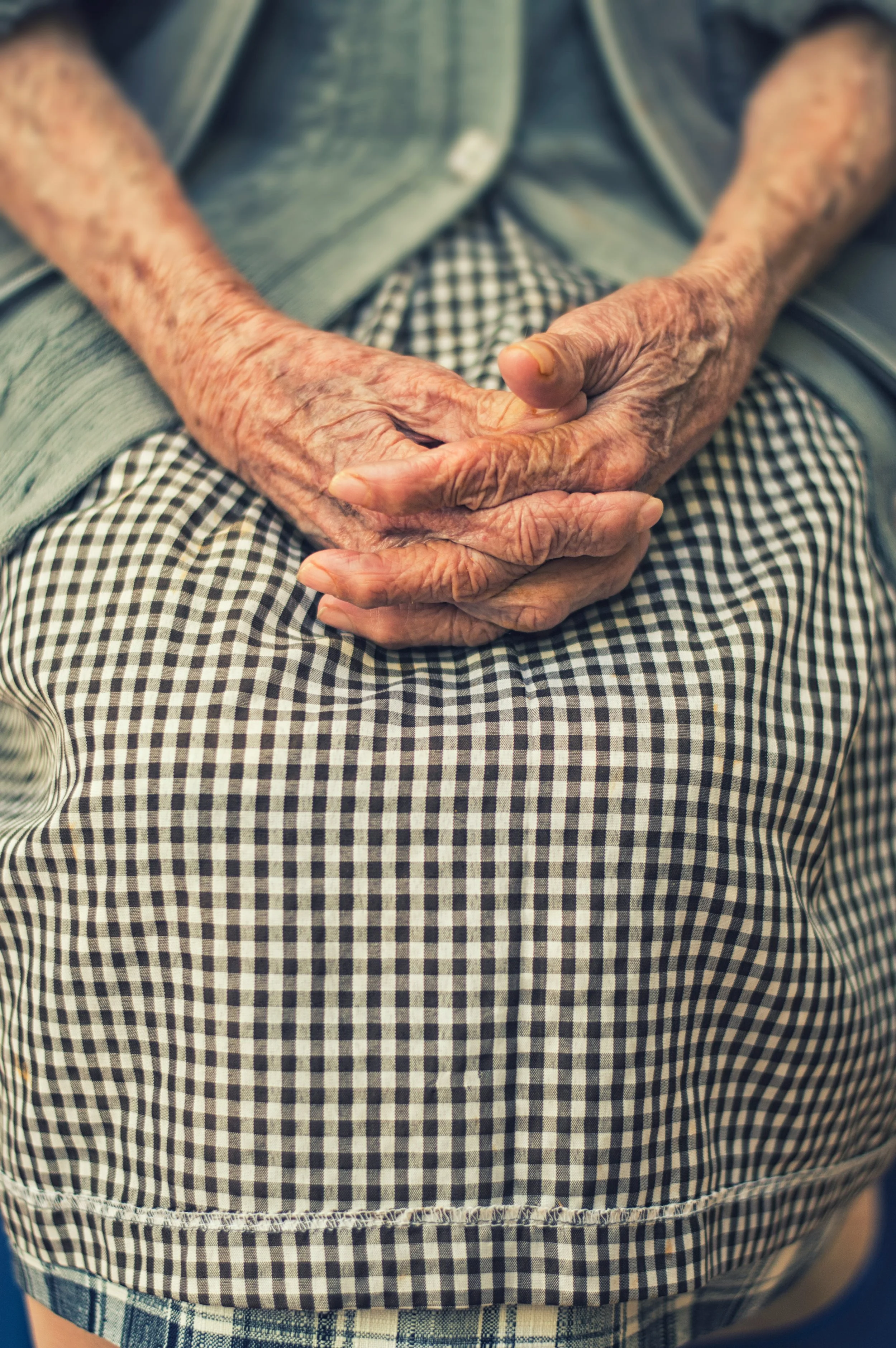
Every person brings something unique to a healthcare decision – their goals, values, culture, life circumstances and preferences, and the right decision isn't always the same for everyone.
"Healthcare decisions should not be made alone. The best decisions are made when patients, carers and clinicians work together."
How do we apply shared-decision making?
Using the ALL BRAN framework
The ALL BRAN framework is a practical guide for the shared-decision making conversation between patient and clinician.
At the beginning, the framework builds in questions that allow the patient to express what matters to them most. This shapes the entire conversation that follows. The clinician is then able to provide evidence-based information on the patient’s options – key benefits and risks, considersations and impacts.
Here’s what ALL BRAN stands for.
Ask · Listen · Learn
Understand what matters most to the person before anything else
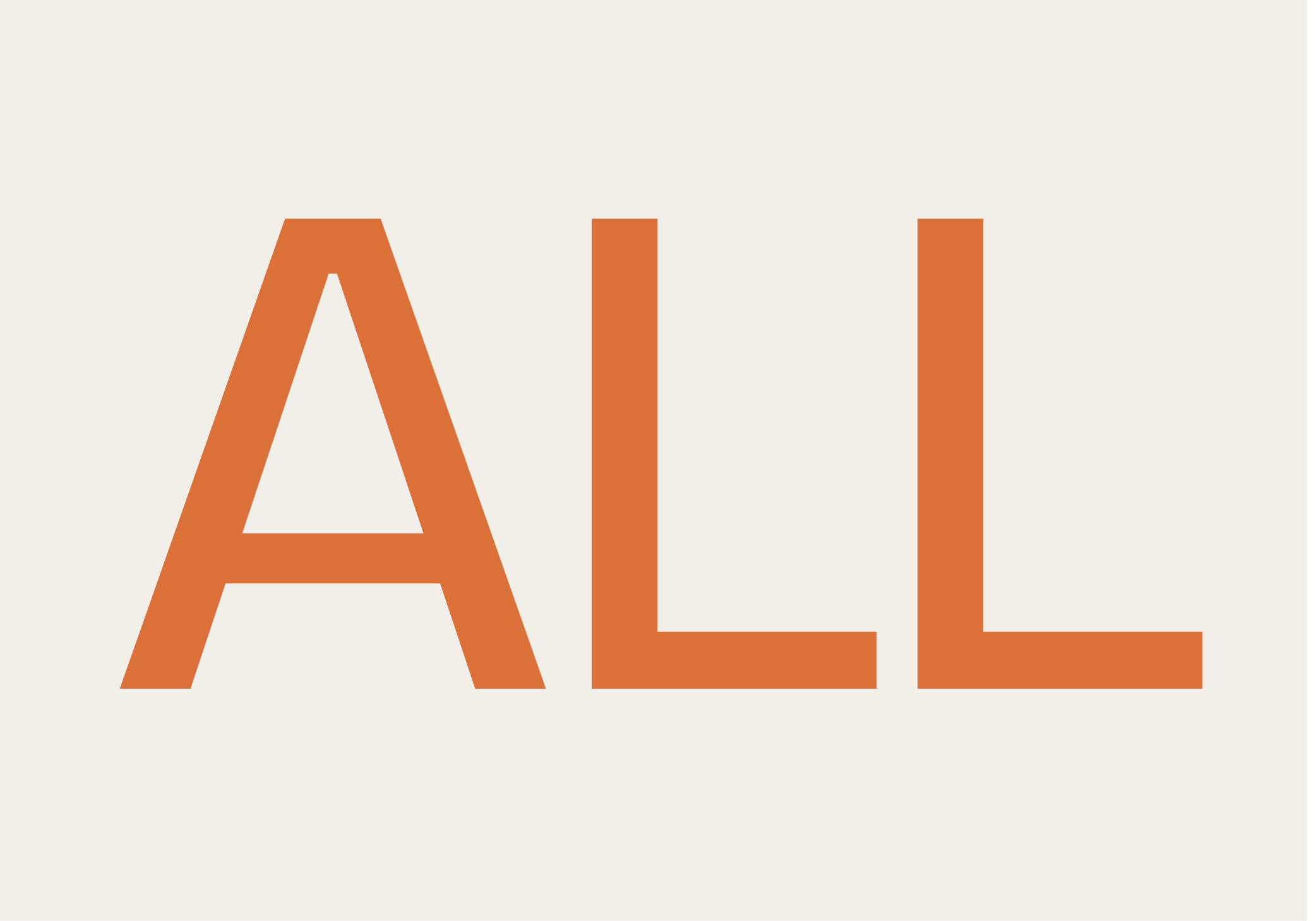
Benefits
Discuss what benefits the suggested treatment or options may offer
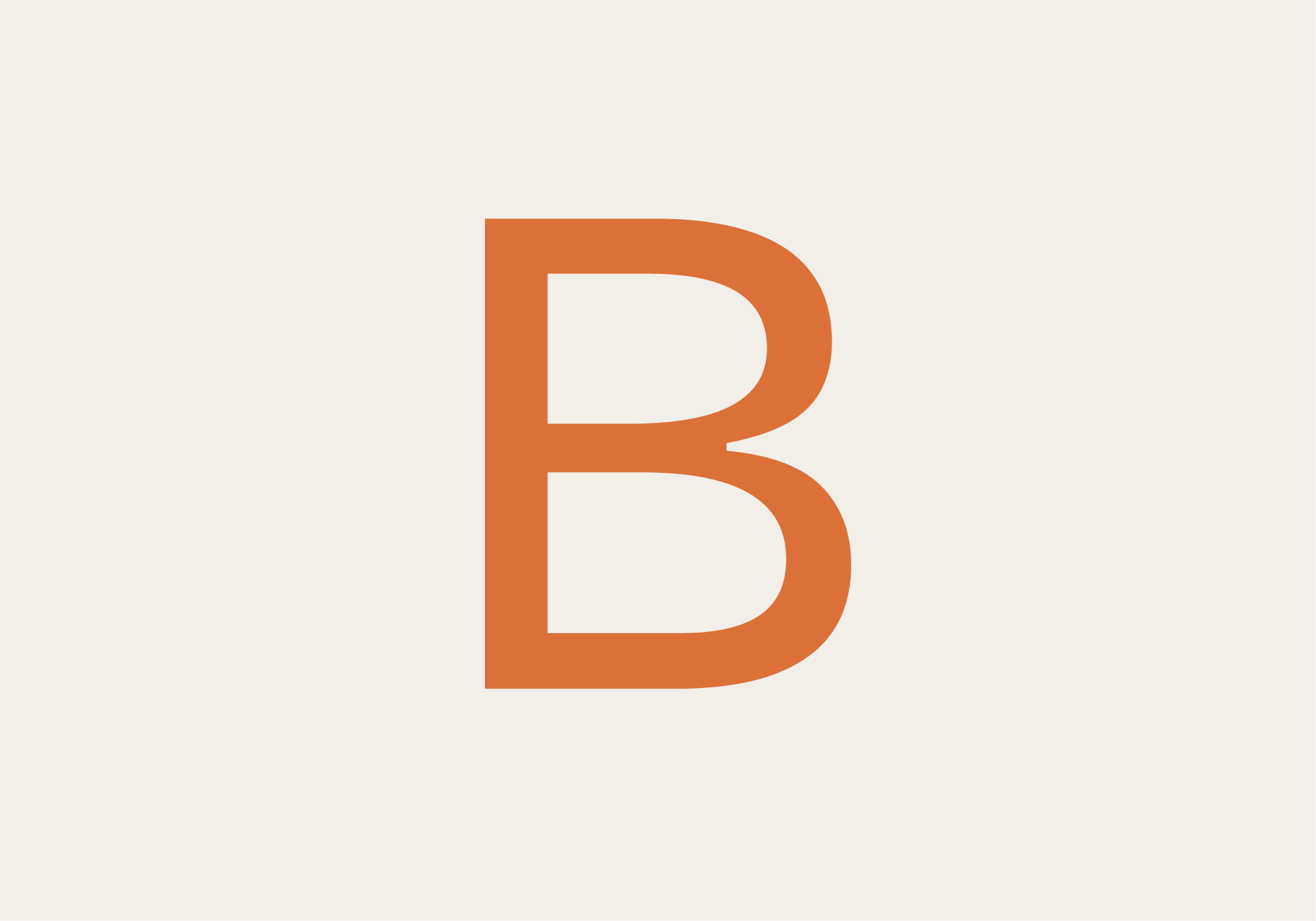
Risks
Further detail what the treatment involves and what could go potentially go wrong
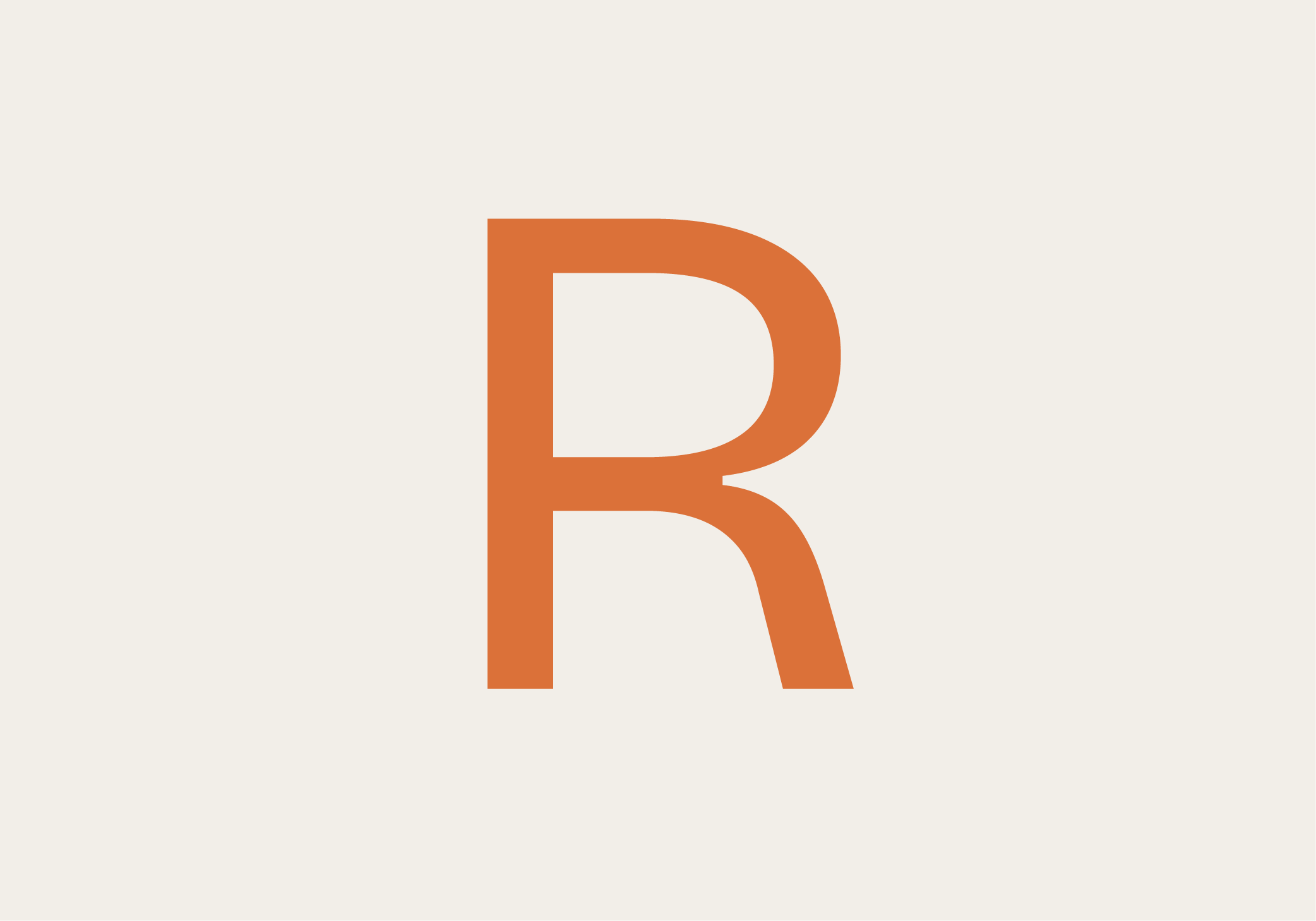
Alternatives
Discuss the other options the person may have, including no treatment
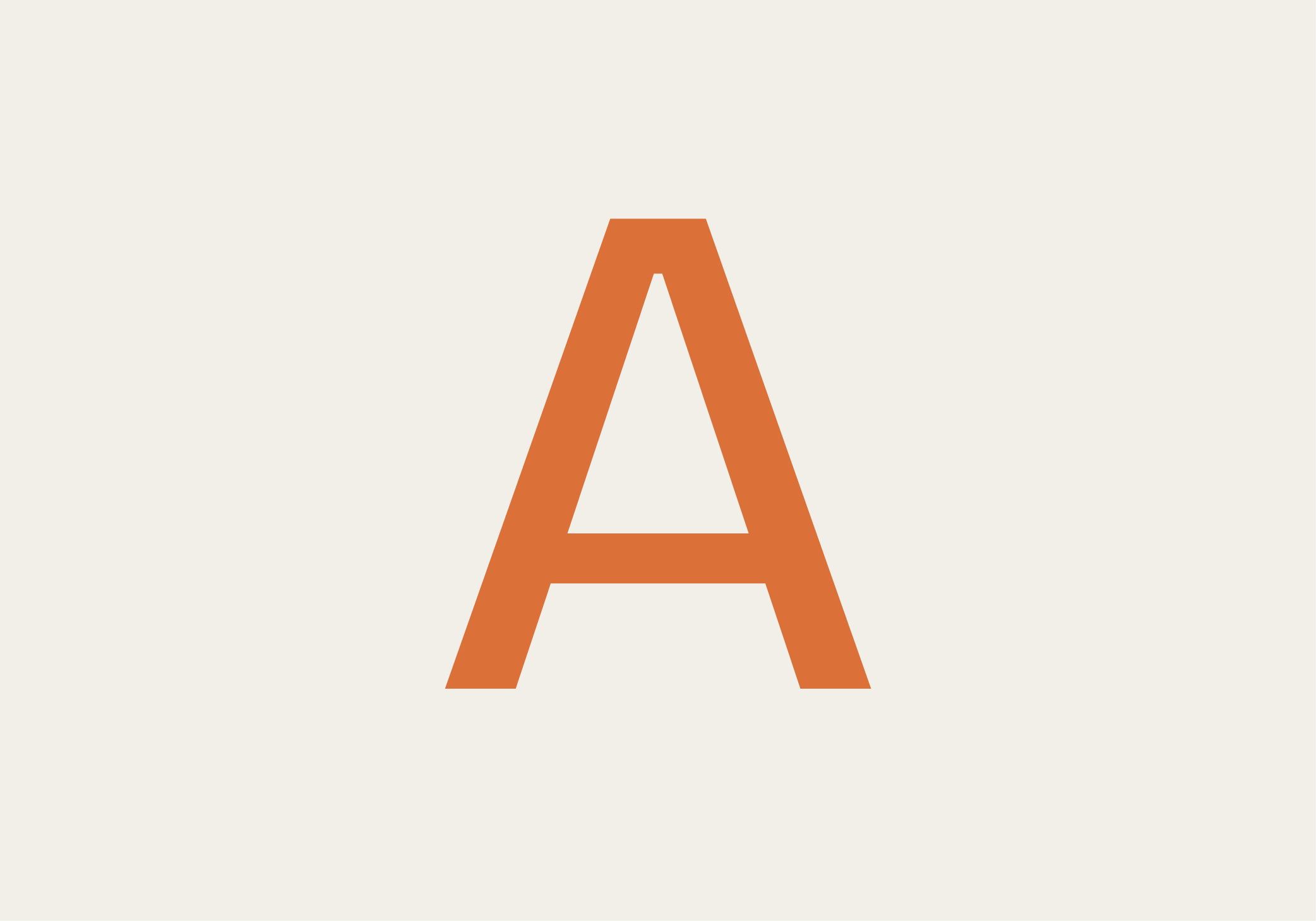
Natural progression
Consider the impacts of progressing naturally or taking the no treatment option.
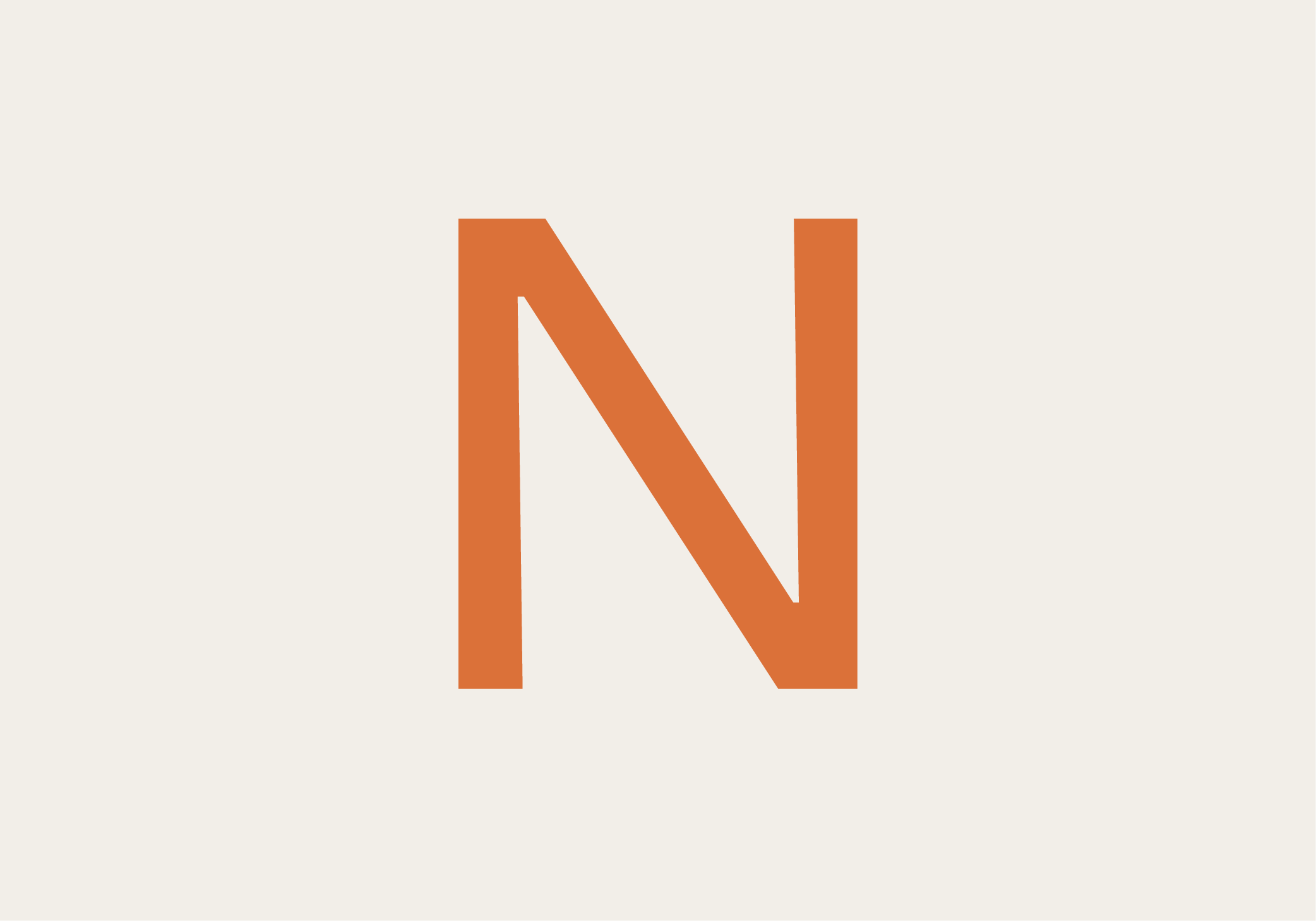
Watch and share
More about this evidence-backed approach
This shared decision-making explanation was developed by the Centre for Shared Decision Making (Center for Fælles Beslutningstagning) at Lillebaelt Hospital, Vejle, Denmark.
Together, we have translated it into multiple languages to help make shared decision-making more accessible across languages and cultures.
Why SDM matters
Not everyone starts from the same place.
Healthcare decisions are shaped by many factors — including:
health literacy
language
culture
frailty
lived experience
family involvement
access to care.
Without intentional support, these factors can exclude people from meaningful participation in decisions about their own health.
SDM Navigator was built with this in mind. Every resource available here has been:
Co-designed with patients and their families
Developed alongside patients and carers — not just for them.

Informed with health literacy at the heart
Written in plain language, tested for readability and understanding.
Made available in multiple languages
Translated into multiple languages to help make shared decision-making more accessible.